

Advancements in water management technology continue to shape how livestock and poultry operations approach biosecurity and animal health.
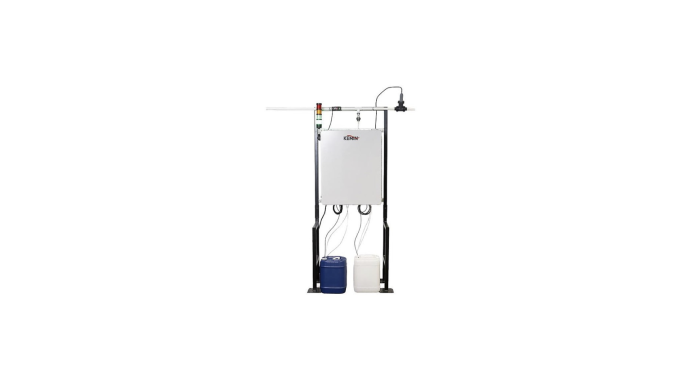
A newly introduced system from Kemin Industries reflects a broader move toward automation and real-time monitoring on farm. The company recently unveiled its next-generation applicator, EDIE Generation 2, at the Midwest Poultry Federation PEAK Convention in Minneapolis.
Moving Toward Smarter Water Management
Water quality plays a critical role in livestock performance, influencing everything from feed intake to overall health. As operations grow in size and complexity, producers are increasingly looking for ways to monitor and manage water systems more efficiently.
The new applicator is designed to automate chlorine dioxide disinfection while providing real-time insight into water quality. It monitors key parameters such as disinfectant levels, with optional tracking of pH and oxidation-reduction potential, giving operators a clearer picture of system performance.
Automation Reducing Manual Work
One of the notable features of newer systems like EDIE Generation 2 is the shift toward reducing manual input.
The system includes:
- automated data logging for dosing and water usage
- remote access through mobile connectivity
- alerts for low chemical levels
- built-in safeguards to limit unauthorized system changes
These types of features reflect a growing trend toward integrating digital tools into routine farm management. For producers, this can mean less time spent on manual checks and more consistent application of water treatment protocols.
Integration and On-Farm Flexibility
The applicator is designed to integrate directly into existing water lines and can be retrofitted onto operations already using earlier versions of similar systems. Connectivity options, including Wi-Fi and cellular access, allow for monitoring across different types of facilities.
This level of integration may appeal to operations looking to upgrade infrastructure without fully replacing existing systems.
Supporting Biosecurity Efforts
Water sanitation remains a key component of biosecurity programs in both livestock and poultry production. Consistent delivery of disinfectants helps reduce the risk of pathogen spread through drinking water and equipment.
While technologies like this continue to evolve, their role fits within a broader approach that includes hygiene protocols, facility management, and overall herd or flock health planning.
A Broader Industry Trend
The introduction of connected systems such as EDIE Generation 2 highlights a wider shift in agriculture toward precision management tools. Similar to advancements seen in feeding systems and animal monitoring, water management is becoming increasingly data-driven.
As producers continue to balance labour, efficiency, and animal health, tools that offer automation and real-time insight are likely to play a growing role in day-to-day operations.


