

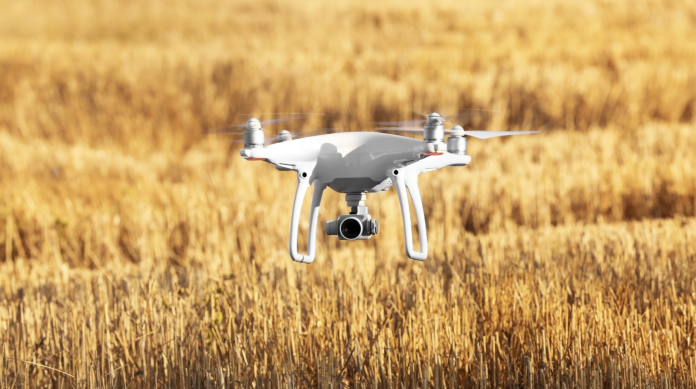
Agricultural spray drone technology continues to gain traction in North America. Agri Spray Drones recently announced its expansion into the Canadian market.
The move comes as Canada updates its regulatory approach to pesticide application. These changes create opportunities for alternatives to traditional ground-based equipment.
Timing aligns with regulatory changes
Canada has traditionally relied on prescriptive pesticide application methods tied to specific equipment and use patterns. However, regulators are beginning to allow more flexibility. They now focus more on outcomes such as safety and effectiveness.
This shift may influence how the industry evaluates and adopts new technologies, including drone-based spraying.
Addressing operational challenges
Spray drones aim to address several ongoing challenges in Canadian agriculture. These include labour shortages, limited access to certain areas, and narrow application windows.
Drones may offer advantages by:
- Reaching areas that are difficult to access with conventional equipment
- Operating in conditions where soil compaction or crop damage is a concern
- Completing applications quickly during short weather windows
These benefits may be especially relevant in regions with varied terrain or large acreages.
Adoption trends and practical considerations
Drone spraying has gained traction in parts of the United States. In Canada, adoption remains in earlier stages.
Producers and service providers will likely consider several factors before adopting this technology:
- Approval of crop protection products for drone application
- Training and certification requirements for operators
- Cost and return on investment
- Compatibility with existing farm systems
Adoption will likely vary based on region, crop type, and farm size.
Role in precision agriculture systems
Spray drones are becoming part of broader precision agriculture systems. These tools aim to improve efficiency and reduce input use.
Drones can support more targeted applications. They may reduce overlap and allow treatment of specific areas rather than entire fields. When used effectively, these tools can support both economic and environmental goals.
Industry and policy implications
The expansion of spray drone technology raises important regulatory questions.
As new tools enter the market, regulators, researchers, and industry stakeholders will need to work together. Their goal will be to establish best practices and ensure safe, effective use.
Looking ahead
Interest in drone application technology will likely continue to grow. This growth will depend on regulatory clarity and practical on-farm performance.
Canadian agriculture may play a key role in shaping how these technologies are adopted. As a result, the market could help guide broader integration of ag-tech into production systems.


